





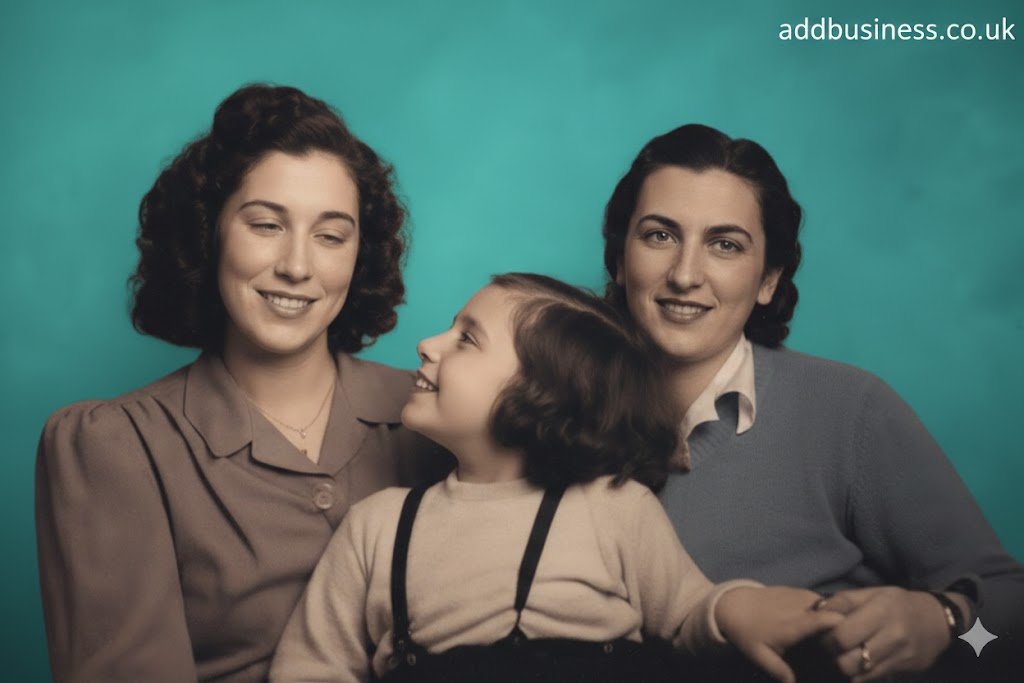
Gabi Goslar, born Rachel Gabriele Ida Goslar, was one of the Holocaust’s many survivors who bore witness to the atrocities of World War II. While her name might not be as well-known as Anne Frank’s, Gabi’s connection to Anne Frank, along with her survival through the horrors of concentration camps, makes her story an important chapter in the larger narrative of the Holocaust. Her testimony, though quieter than her sister’s, is a vital reminder of the resilience of the human spirit.
This article delves into the life of Gabi Goslar, her bond with Anne Frank, her survival during the Holocaust, and her legacy as a witness to history. Through her experience, we come to understand the deep emotional and historical implications of the Holocaust, and why stories like Gabi’s must be preserved for future generations.
Early Life and Family
Gabi Goslar was born on October 25, 1940, in Amsterdam, Netherlands, into a Jewish family that had fled Germany to escape the rising tides of Nazi persecution. Her parents were Hans Goslar and Ruth Judith Klee. Gabi was the younger sister of Hannah Pick-Goslar (Hanneli), who would later become one of Anne Frank’s closest childhood friends. The family was part of the German-Jewish refugee community in Amsterdam, and they lived relatively comfortably before the war disrupted everything.
Gabi’s early childhood memories were shaped by the sense of safety and normalcy in the Jewish community in Amsterdam. However, this peace was shattered in 1940 when Nazi Germany invaded the Netherlands, beginning the systematic persecution of the Jewish population.
Gabi’s Connection with Anne Frank
Before the war, Anne Frank and Hannah Pick-Goslar were best friends. Their relationship, captured in Anne’s famous diary, tells of their early adventures, shared interests, and playful rivalry. They attended the same school, spent time together at each other’s homes, and supported each other through their growing understanding of the world.
Though Gabi was significantly younger than both Anne and Hannah, her connection to Anne was indirect but significant. Through her sister, Gabi knew Anne personally, though her memories of Anne are less defined compared to Hannah’s vivid recollections. Gabi’s life, therefore, became inextricably linked with Anne’s through her sister’s friendship, and later, her own survival through the horrors that claimed the lives of so many, including Anne herself.
The Impact of the War and the Holocaust
The Goslars’ Deportation to Westerbork
In 1943, as the Nazi regime tightened its grip on Jewish families in the Netherlands, Gabi’s family was forcibly deported to Westerbork, a transit camp in the northeastern Netherlands. Westerbork served as a staging ground for Jews who were to be sent to other concentration camps. It was a relatively “better” camp in that the conditions were not as brutal as those in extermination camps like Auschwitz or Sobibor, but it was still a place of suffering and deprivation.
At the time of their deportation, Gabi was just a toddler. Her memories of Westerbork were likely vague, but the camp played a critical role in her early experiences of the war. Like many other Jewish families, the Goslars were subjected to the inhumane process of being separated, relocated, and prepared for a grim fate. Westerbork marked the beginning of the Goslars’ journey through the Nazi concentration camp system.
Deportation to Bergen-Belsen
In 1944, the Goslar family was moved from Westerbork to Bergen-Belsen, one of the most infamous concentration camps in Germany. Unlike Westerbork, Bergen-Belsen was characterized by brutal overcrowding, disease, malnutrition, and death. It was at Bergen-Belsen that Gabi and her sister Hannah were separated from their parents. The camp was overcrowded with thousands of Jews who were subjected to appalling conditions.
Despite the suffering, there were moments of unexpected reunion and connection. Gabi and Hannah, though separated by the brutality of the camp, found ways to support each other in small, meaningful ways. The sisters would later recount their moments of brief connection with Anne Frank. Their family’s relative “privileged” status due to special documentation did little to alleviate the suffering they endured at the camp.
Gabi and Anne Frank’s Final Encounter
One of the most poignant moments in Gabi Goslar’s life was her encounter with Anne Frank in Bergen-Belsen. The two girls, separated by barbed wire fences, communicated through brief, desperate moments. Anne, weakened by typhus and near death, exchanged a few words with Hannah and Gabi.
The encounter was brief, and the girls’ conversations were far from the joyful exchanges they once shared as children. Gabi later recounted throwing pieces of bread over the fence to Anne, who was gravely ill, but those small acts of kindness were too late. Anne Frank would die shortly after their encounter, just weeks before the camp was liberated by the British forces in April 1945.
Post-War Survival and Rebuilding
Liberation and Aftermath
In April 1945, Bergen-Belsen was liberated by the British Army. By this time, both Gabi and Hannah were severely weakened by disease and malnutrition. They were taken to hospitals for treatment and recovery. However, the horrors of what they had experienced stayed with them for the rest of their lives.
After liberation, Gabi and her sister spent some time in refugee camps, and they eventually made their way to British Mandate Palestine, which would later become Israel. There, the Goslar sisters rebuilt their lives, but the trauma of their past experiences remained with them.
Life in Israel and Later Years
After moving to Israel, Gabi Goslar’s life was marked by quiet resilience. While her sister Hannah Pick-Goslar became more publicly known for her role in Holocaust education and her memoirs about her childhood friendship with Anne Frank, Gabi lived a more private life. She married, had children, and focused on her family while also preserving the memories of her past.
In Israel, Gabi lived in Jerusalem, and she, like many survivors, found solace in being part of a community that had also endured the unimaginable suffering of the Holocaust. She remained committed to ensuring that the horrors she and her family had experienced were never forgotten.
What Happened to Gabi Goslar?
Gabi Goslar’s life was one of survival and quiet perseverance. She lived to see her children grow and experienced the personal joy of seeing the legacy of Holocaust survivors continue through future generations. Gabi passed away in October 2022, at the age of 82.
Her legacy is largely carried on through the work of her sister, Hannah Pick-Goslar, who became a major voice in preserving the memory of Anne Frank and the survivors of Bergen-Belsen. Together, the sisters contributed to the education of millions about the Holocaust, using their personal stories to help future generations understand the impact of the Holocaust on individuals and families.
Anne Frank’s Best Friend: A Lasting Bond
Hannah Pick-Goslar, or “Hanneli,” remains one of the most significant figures in Anne Frank’s life. Their friendship, as described in Anne’s diary, reveals not only the closeness of their relationship but also the deep emotional connection they had. Hanneli was there for Anne during some of her most difficult moments, and their bond was a lifeline during their time in hiding.
When Anne’s family went into hiding in 1942, Hannah’s family did not. They were part of the broader Jewish community that faced persecution early on, which meant that they had to part ways with Anne. However, the two girls stayed in contact whenever possible, and Anne’s diary entries reveal how much she longed to be reunited with her friend.
Despite the separation, Hanneli’s role in Anne’s life remained profound, and her memories of Anne are crucial to the understanding of Anne’s personality and experiences during the war.
Gabi Goslar’s Legacy and Contribution to Holocaust Remembrance
Though Gabi was not as publicly active as her sister, Hannah, Gabi’s legacy is just as significant. She, along with her sister, made vital contributions to the field of Holocaust education by sharing their personal stories. Through interviews and books, they helped preserve the memories of those lost during the Holocaust and ensured that future generations could learn from the past.
Gabi Goslar’s story is a testament to the strength of the human spirit in the face of unimaginable adversity. Her ability to survive, rebuild her life, and keep the memory of her childhood friend, Anne Frank, alive is an important part of Holocaust history. Gabi’s contributions to the understanding of this tragic period in history will continue to resonate for years to come.
(FAQs):
1. Who Was Gabi Goslar?
Gabi Goslar was a Holocaust survivor, the younger sister of Hannah Pick-Goslar, and a childhood friend of Anne Frank. She survived Westerbork and Bergen-Belsen concentration camps, eventually emigrating to Israel after the war.
2. What Happened to Gabi Goslar After the Holocaust?
After the Holocaust, Gabi Goslar moved to Israel, where she lived a private life with her family. She was involved in preserving the memory of the Holocaust, primarily through her sister’s testimony.
3. Was Gabi Goslar Anne Frank’s Best Friend?
Gabi Goslar was not Anne Frank’s best friend, but her sister, Hannah Pick-Goslar, was. Gabi, however, did know Anne through her sister, and her story is closely tied to Anne’s.
4. Is Gabi Goslar Still Alive?
No, Gabi Goslar passed away in October 2022, at the age of 82. She lived a life of quiet resilience and was instrumental in keeping the memory of Anne Frank alive through her personal connection to the historical narrative.
Conclusion
The story of Gabi Goslar is a powerful reminder of the resilience of the human spirit in the face of unimaginable tragedy. As the younger sister of Hannah Pick-Goslar, one of Anne Frank’s closest friends, Gabi’s life remains intertwined with one of history’s most enduring narratives. From her survival through the horrors of the Holocaust to her role in ensuring that the lessons of history are never forgotten, Gabi’s legacy will continue to inspire and educate future generations.
Through her story, we are reminded of the importance of remembering and honoring the victims of the Holocaust, and of preserving their memory for those who come after. Gabi Goslar’s life is a testament to survival, strength, and the power of friendship — qualities that define the enduring legacy of Anne Frank and all those who perished in the Holocaust.