



In an era dominated by digital technology, many traditional production methods have successfully adapted rather than disappeared. Letterpress printing is a prime example. Known for its craftsmanship, tactile finish, and timeless appeal, letterpress continues to attract businesses, designers, and consumers seeking premium printed products.
While the technique has centuries-old roots, modern innovations have helped it remain relevant in today’s competitive market. Among the most significant developments is the use of photopolymer plates, which have streamlined production and expanded creative possibilities. By combining traditional craftsmanship with modern technology, letterpress printing continues to evolve while maintaining the qualities that make it unique.
Why Traditional Printing Still Holds Value
Despite the convenience of digital printing, many brands continue to invest in premium print techniques to differentiate themselves. Packaging, stationery, invitations, and promotional materials often serve as physical representations of a brand, making quality and presentation important considerations.
Consumers increasingly appreciate products that feel authentic and carefully crafted. The textured impression created through letterpress printing offers a sensory experience that standard printing methods cannot easily replicate. This distinctive finish helps communicate quality, attention to detail, and professionalism.
As a result, businesses looking to create memorable customer experiences continue to embrace letterpress for high-value projects.
The Shift Toward Modern Production Methods
Traditional letterpress production relied heavily on metal type and engraved plates. While effective, these methods could be time-consuming, expensive, and less adaptable to modern design requirements.
Today’s businesses often require shorter production runs, personalised designs, and faster turnaround times. To meet these expectations, printers have adopted technologies that improve efficiency without compromising quality.
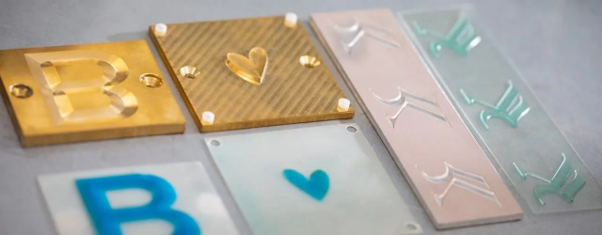
Photopolymer plates have become an important part of this transition. Created from digital artwork, these plates allow printers to produce highly detailed designs while simplifying the preparation process. This combination of precision and flexibility has helped modernise letterpress production for contemporary markets.
How Photopolymer Plates Support Better Design Flexibility
One of the biggest advantages of photopolymer plates is their ability to accommodate modern design needs. Traditional type collections or manual layouts no longer limit businesses and designers.
Digital files can be converted into printing plates that reproduce intricate artwork, custom typography, logos, and branding elements with impressive accuracy. This flexibility allows companies to create distinctive printed materials that align with their brand identity.
For designers, this means greater creative freedom. For businesses, it provides an opportunity to produce premium materials that stand out in competitive markets.
Supporting Growth in Premium Print Products
The demand for premium printed products has grown steadily in recent years. Businesses are increasingly investing in high-quality packaging, branded stationery, and luxury marketing materials to strengthen customer engagement.
Letterpress printing remains a popular choice because of its ability to create a sophisticated and memorable finish. The use of photopolymer plates has made this premium printing method more accessible by reducing production complexity and improving efficiency.
As a result, smaller businesses and independent brands can now take advantage of letterpress techniques that were once considered impractical for shorter runs or custom projects.
Balancing Craftsmanship and Efficiency
Modern production technologies are often viewed as a replacement for traditional craftsmanship. In the case of letterpress printing, however, they serve as valuable tools that support skilled printers rather than replace them.
The expertise required to select paper, adjust press settings, manage ink application, and achieve consistent impressions remains essential. Photopolymer plates simply make it easier to prepare designs for production while maintaining the quality standards associated with traditional printing.
This balance between innovation and craftsmanship has played a key role in keeping letterpress relevant in a rapidly changing industry.
Applications Across Multiple Industries
Today, letterpress printing is used across a wide range of industries. Common applications include:
- Luxury packaging
- Business cards
- Wedding invitations
- Greeting cards
- Product labels
- Premium stationery
- Marketing materials
Brands often choose letterpress because it helps create a stronger visual and tactile connection with customers. The combination of thoughtful design and high-quality printing can leave a lasting impression that supports long-term brand recognition.
Conclusion
As customer expectations continue to evolve, businesses are placing greater emphasis on quality, presentation, and authenticity. Letterpress printing remains a valuable option for brands looking to create premium printed materials that stand out.
By making production more flexible, efficient and accessible, photopolymer plates have helped traditional letterpress adapt to modern requirements without losing its distinctive character. The result is a printing method that successfully blends heritage craftsmanship with contemporary innovation.