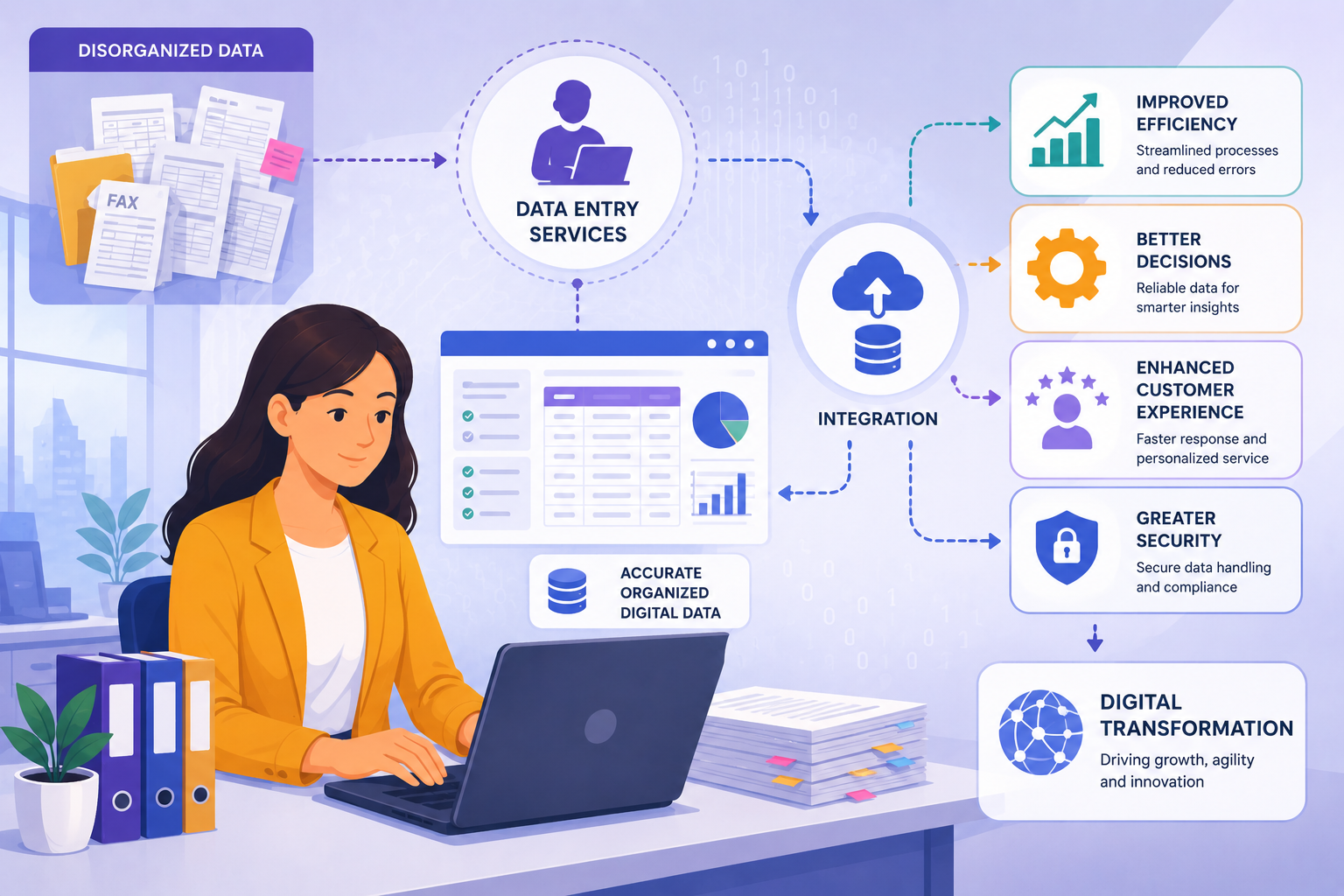






Technology has become a central part of how organisations operate, compete, and grow. From improving customer experiences to streamlining internal processes, businesses are increasingly relying on digital solutions to achieve their goals. This shift has accelerated the adoption of digital transformation, encouraging companies to rethink traditional ways of working and embrace technology-driven strategies.
As organisations pursue these initiatives, software development has become more important than ever. Modern software solutions help businesses improve efficiency, adapt to changing market demands, and deliver better experiences for customers. As a result, the relationship between digital transformation and software development continues to shape the future of business innovation.
Why Digital Transformation Has Become a Business Priority
Consumer expectations have changed significantly over the past decade. Customers now expect fast, convenient, and personalised experiences whether they are interacting with a company online, through a mobile app, or via customer support channels.
To meet these expectations, organisations are investing in digital tools that improve communication, automate processes, and provide better access to information. At the same time, businesses face increasing pressure to remain competitive in rapidly evolving markets.
Digital transformation helps address these challenges by enabling organisations to use technology more effectively. Rather than simply replacing outdated systems, it focuses on improving operations, enhancing customer experiences, and creating opportunities for long-term growth.
The Growing Role of Software Development
Behind every successful digital initiative is a technology solution designed to support business objectives. Whether it is a customer portal, internal management platform, mobile application, or e-commerce system, software has become essential for modern operations.
Many businesses are moving away from one-size-fits-all solutions and investing in custom software that aligns with their specific requirements. This approach allows organisations to create systems that support unique workflows, improve productivity, and deliver greater flexibility.
As digital transformation projects become more ambitious, software development is evolving from a support function into a strategic business asset. Organisations increasingly view technology investments as a way to improve efficiency while creating new opportunities for innovation.
How Business Needs Are Changing Development Priorities
The goals of software projects have expanded considerably in recent years. Companies no longer focus solely on functionality; they also expect solutions to provide scalability, security, and seamless user experiences.
Modern software must often integrate with multiple platforms, support remote teams, and handle growing volumes of data. As a result, development teams are placing greater emphasis on creating flexible solutions that can adapt as business needs evolve.
User experience has also become a major priority. Customers and employees alike expect digital tools to be intuitive and easy to use. Organisations that invest in user-focused software often see improvements in engagement, productivity, and customer satisfaction.
Agile Development and Faster Innovation
The pace of digital change has encouraged businesses to adopt more flexible approaches to software development. Traditional methods that relied on lengthy planning cycles can struggle to keep up with rapidly changing requirements.
Agile development practices have emerged as a preferred solution because they allow teams to build, test, and refine products through continuous collaboration. This approach helps businesses respond more quickly to feedback and changing market conditions.
By delivering improvements in smaller stages, organisations can reduce risk and ensure that technology investments continue to align with business objectives.
Creating Better Digital Experiences
One of the most visible outcomes of digital transformation is the growing emphasis on digital experiences. Whether customers are browsing a website, using a mobile application, or accessing online services, their expectations are shaped by the quality of those interactions.
Software development enables businesses to create experiences that are efficient, accessible, and personalised. Features such as automation, real-time updates, and data-driven recommendations help organisations provide greater value while strengthening customer relationships.
Companies that prioritise digital experiences are often better positioned to attract and retain customers in increasingly competitive markets.
Preparing for the Future
Emerging technologies such as artificial intelligence, cloud computing, and advanced analytics are continuing to influence how businesses operate. Organisations that invest in modern software solutions are better equipped to take advantage of these innovations as they become more widely adopted.
Digital transformation is no longer a short-term initiative but an ongoing process of improvement and adaptation. Businesses that embrace this mindset are more likely to remain resilient in the face of changing market conditions and customer expectations.
Conclusion
As technology continues to reshape industries, organisations are increasingly relying on digital solutions to support growth and innovation. Digital transformation is driving demand for software that is flexible, scalable, and focused on delivering meaningful business outcomes.
By aligning software development with broader business goals, organisations can improve efficiency, enhance customer experiences and build a strong foundation for future success in an increasingly digital world.