





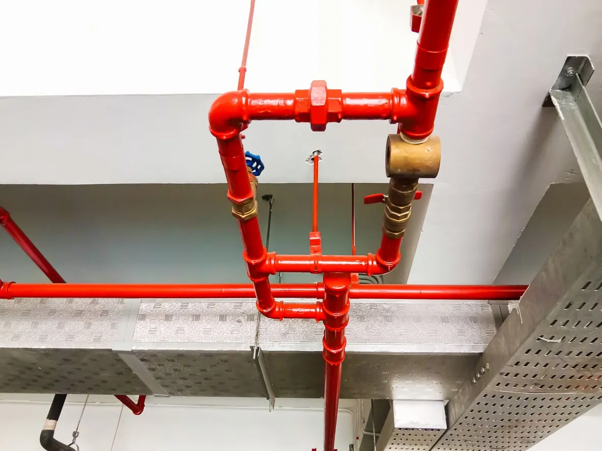
When businesses assess potential risks to their operations, attention is often focused on issues such as cybersecurity, financial planning, supply chain disruption, and regulatory compliance. However, one of the most significant threats to any commercial property remains fire. A single incident can affect employees, customers, assets, and business operations, creating consequences that extend far beyond physical damage.
As organisations place greater emphasis on resilience and risk management, commercial fire sprinkler systems are becoming an increasingly important part of commercial building safety strategies. Rather than being viewed solely as a compliance measure, these systems are now recognised as valuable tools that support business continuity, property protection, and long-term operational stability.
Why Fire Risk Remains a Major Business Concern
Every commercial building faces some level of fire risk. Electrical systems, heating equipment, machinery, storage areas, kitchens, and everyday business activities can all contribute to potential fire hazards.
While many organisations have preventative measures in place, accidents and unforeseen circumstances can still occur. Even a relatively small fire has the potential to disrupt operations, damage infrastructure, and affect the people who rely on the building every day.
The financial impact can also be significant. Repair costs, temporary closures, lost productivity, damaged stock, and interrupted services can place considerable pressure on a business. For some organisations, recovering from a major fire-related incident can take months or even years.
This is why fire protection is increasingly being viewed as a business-critical investment rather than simply a regulatory obligation.
Fire Safety Is No Longer Just About Compliance
Historically, fire safety discussions have often centred on meeting legal requirements and passing inspections. While compliance remains essential, businesses are increasingly taking a broader view of fire protection.
Modern organisations understand that effective fire safety supports wider business objectives. Protecting employees, safeguarding assets, maintaining customer confidence, and reducing operational disruption all contribute to long-term success.
As a result, fire safety is becoming part of strategic planning conversations rather than being treated solely as a facilities management responsibility. This shift reflects a growing awareness that risk management and business performance are closely connected.
The Importance of Early Fire Suppression
Many commercial buildings rely on fire alarms, emergency lighting, evacuation procedures, and staff training to support fire safety. These measures are essential because they help people respond quickly when an incident occurs.
However, warning systems alone do not actively control a fire.
Early fire suppression plays an important role in limiting the spread of flames and reducing damage during the critical first stages of an incident. The ability to control a fire before it develops further can significantly influence the overall impact on a building and its occupants.
This is one reason why sprinkler systems remain an important part of comprehensive fire protection strategies across many sectors.
Supporting Business Continuity Planning
Business continuity planning focuses on ensuring that organisations can continue operating during and after unexpected events. Fire incidents are among the most common risks considered within continuity plans because of their potential to affect facilities, equipment, inventory, and critical operations.
Organisations invest substantial resources in developing strategies that reduce downtime and improve resilience. Fire protection systems contribute to these efforts by helping limit the extent of damage caused by fire-related incidents.
A properly designed commercial fire sprinkler solution can help organisations reduce operational disruption and support faster recovery following an emergency. This can be particularly valuable for businesses that rely on specialist equipment, sensitive infrastructure, or continuous service delivery.
Industries That Depend on Reliable Fire Protection
Fire safety is important across virtually every sector, but some industries face particularly complex challenges due to the nature of their operations.
Examples include:
- Warehousing and distribution centres
- Manufacturing and engineering facilities
- Retail environments
- Healthcare organisations
- Educational institutions
- Hospitality venues
- Data centres and technology facilities
- Commercial office buildings
In these environments, even short periods of disruption can have significant consequences for employees, customers, and business performance.
Because each sector presents different risks, fire protection strategies often need to be tailored to specific operational requirements and building characteristics.
Protecting Valuable Assets and Infrastructure
Commercial properties frequently contain assets that are essential to business operations. Equipment, inventory, technology systems, documentation, and infrastructure all represent significant investments.
A fire can damage or destroy these resources, creating challenges that extend well beyond the initial incident. Replacing equipment, restoring systems, and rebuilding facilities can require considerable time and financial investment.
By supporting early fire control, sprinkler systems can help reduce the scale of damage and protect resources that are critical to day-to-day operations.
For many businesses, this level of protection contributes to greater confidence when managing operational risks.
Fire Safety and Corporate Responsibility
Today’s organisations are expected to demonstrate a commitment to employee wellbeing, responsible management, and workplace safety. Customers, investors, employees, and stakeholders increasingly evaluate businesses based on how effectively they manage risks and protect people.
A proactive approach to fire safety reflects a broader commitment to creating secure and resilient working environments. It also helps organisations demonstrate that safety is embedded within their operational culture rather than treated as an afterthought.
As expectations continue to evolve, businesses that prioritise risk management are often better positioned to build trust and maintain long-term stability.
Conclusion
Fire protection is no longer viewed solely through the lens of regulatory compliance. Modern organisations recognise that effective fire safety plays a vital role in protecting people, assets, operations, and business continuity.
The growing adoption of commercial fire sprinkler systems reflects this shift towards proactive risk management. By incorporating appropriate fire protection measures into wider safety and resilience strategies, businesses can reduce disruption, strengthen operational stability, and create safer commercial environments for everyone who uses their facilities.
As commercial buildings continue to evolve, investing in effective fire protection remains an important step towards supporting both safety and long-term business success.