





Home fire safety has traditionally centred around smoke alarms, fire extinguishers, and evacuation plans. While these measures remain important, many homeowners are now taking a broader approach to protecting their families and properties. As awareness of fire risks continues to grow, there is increasing interest in solutions that can help control a fire before it causes significant damage.
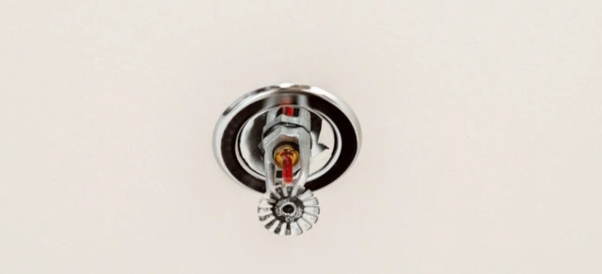
One option receiving greater attention is domestic fire sprinklers. Once considered a feature primarily found in commercial buildings, sprinkler systems are becoming a topic of discussion among homeowners, developers, and fire safety professionals. This shift reflects a growing understanding that early fire suppression can play an important role in reducing risk and limiting the impact of fire-related incidents.
Why House Fires Can Escalate Quickly
A fire can develop far more rapidly than many people realise. Modern homes contain a wide range of materials that may contribute to fire growth, including furniture, textiles, electrical devices, and household appliances.
Open-plan layouts, larger living spaces, and increased reliance on electrical equipment have also changed how fires can spread within residential properties. While smoke alarms provide an essential warning, they do not actively control a fire once it has started.
This has encouraged many homeowners to explore additional fire protection measures that can support both detection and suppression.
The Changing Approach to Residential Fire Safety
Historically, fire protection systems were more commonly associated with commercial premises, industrial facilities, and public buildings. However, attitudes toward residential fire safety have evolved considerably over recent years.
Homeowners are becoming more aware of the potential consequences of fire, including property damage, disruption to daily life, and risks to occupants. As a result, there is growing interest in preventative solutions that complement traditional safety measures.
Rather than focusing solely on emergency response, many households are now considering how they can reduce the severity of an incident if a fire occurs.
Understanding How Residential Sprinkler Systems Work
A home fire sprinkler system is designed to respond automatically when heat from a fire reaches a specific temperature. Individual sprinkler heads activate independently, directing water only where it is needed.
This is one of the most commonly misunderstood aspects of residential sprinkler systems. Contrary to popular belief, a fire in one room does not typically trigger every sprinkler head throughout the property.
The objective is to control or slow the spread of fire at an early stage, helping reduce heat, smoke, and fire growth while occupants evacuate and emergency services respond.
Common Misconceptions About Fire Sprinklers
Despite their growing popularity, several misconceptions still influence public perception.
One common belief is that sprinkler systems cause widespread water damage. In reality, residential systems are designed to target the area affected by fire rather than operating throughout the property.
Another misconception is that sprinkler systems are only suitable for large homes or high-value properties. In practice, fire protection considerations apply to a wide range of residential settings.
Some people also assume that smoke alarms alone provide complete protection. While alarms are essential for early warning, they serve a different purpose from suppression systems that actively respond to fire conditions.
Understanding these differences can help homeowners make more informed decisions about fire safety.
Protecting More Than Property
The discussion around residential fire protection often focuses on buildings and possessions, but the most important consideration is occupant safety.
Fire incidents can create dangerous conditions within minutes, particularly when smoke and heat spread rapidly through a property. Systems that help control fire growth may provide valuable additional time for evacuation and emergency response.
This can be especially important in households with children, older adults, or individuals who may require extra time to leave the property safely.
Fire Safety and Modern Housing Developments
Fire protection is becoming an increasingly important consideration within residential construction and development projects. Builders, architects, and housing providers are paying closer attention to measures that support occupant safety and reduce risk.
As awareness continues to grow, sprinkler systems are being discussed more frequently as part of wider fire safety strategies rather than as standalone products. This reflects a broader trend towards integrating safety measures into residential design from the outset.
For homeowners, this means greater awareness of the options available when considering long-term property protection.
Conclusion
Fire safety is no longer viewed solely as a matter of detection and emergency response. Increasingly, homeowners are exploring ways to improve protection before a fire has the opportunity to escalate.
The growing interest in domestic fire sprinklers highlights this shift towards proactive fire safety. When combined with smoke alarms, responsible fire prevention practices, and a well-designed home fire sprinkler system, these measures can contribute to a more comprehensive approach to protecting people, property, and peace of mind.