





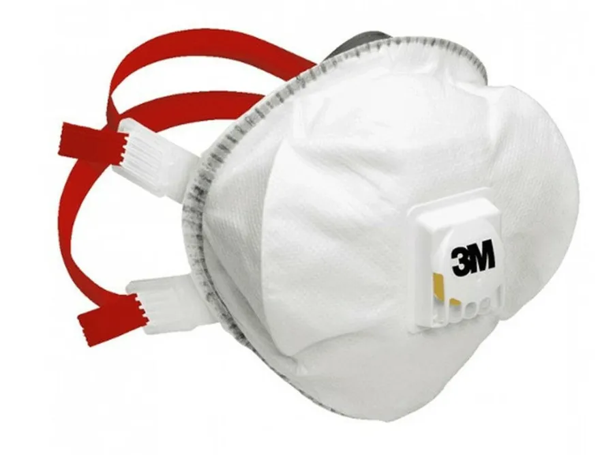
For workers exposed to dust, airborne particles, and other respiratory hazards, effective protection is essential. However, finding suitable respiratory equipment can be more complicated for individuals with facial hair. Many workers searching for a dust mask for beards quickly discover that beard growth can affect how certain types of respiratory protection perform. As workplace safety standards continue to evolve, employers and employees alike must understand the challenges associated with facial hair and respiratory protection.
Across industries such as construction, manufacturing, woodworking, and engineering, respiratory protective equipment plays a critical role in reducing exposure to harmful substances. Yet achieving the right balance between workplace safety, comfort, and individual preferences remains an ongoing challenge.
Why Facial Hair Matters in Respiratory Protection
Many respiratory masks rely on a secure seal between the mask and the wearer’s face. This seal helps ensure that contaminated air passes through the filter rather than entering through gaps around the edges.
Facial hair can interfere with this process by creating spaces between the skin and the mask. Even small gaps may reduce the effectiveness of certain respiratory protection products, particularly in environments where workers are exposed to hazardous dust or airborne contaminants.
Because of this, facial hair is often an important consideration during workplace risk assessments and respiratory fit testing procedures.
The Growing Focus on Workplace Respiratory Safety
Employers have a legal and ethical responsibility to protect workers from occupational hazards. In recent years, there has been increased awareness of the long-term health risks associated with airborne contaminants, including respiratory diseases caused by prolonged exposure to dust and hazardous particles.
As a result, businesses are placing greater emphasis on selecting appropriate respiratory protection and ensuring that equipment performs as intended. This includes considering individual factors that may affect protection levels, such as facial hair.
By taking a proactive approach to respiratory safety, organisations can help reduce risks while supporting employee wellbeing.
Understanding the Limitations of Standard Masks
Not all respiratory masks perform in the same way. Disposable masks and tight-fitting respirators are commonly used in workplaces where airborne hazards are present, but their effectiveness often depends on achieving a close facial seal.
For workers with beards, this can present challenges. A dust mask that performs well on a clean-shaven individual may not always provide the same level of protection when facial hair interferes with the fit.
This does not necessarily mean that workers with beards cannot access suitable respiratory protection. Instead, it highlights the importance of selecting equipment based on workplace hazards, fit requirements, and professional safety assessments.
Balancing Personal Choice and Workplace Safety
Facial hair may be a matter of personal preference, cultural identity, or religious observance. Employers must therefore consider practical ways to maintain workplace safety while respecting individual circumstances.
The goal is not simply to enforce equipment policies but to identify solutions that enable workers to perform their duties safely. Open communication, risk assessments, and appropriate equipment selection can help organisations address these challenges effectively.
This balanced approach supports both safety objectives and workforce inclusivity.
Exploring Alternative Protection Options
In some situations, workers may seek alternatives that provide greater coverage or accommodate facial hair more effectively. For example, a full face dust mask for beards may be considered as part of a broader respiratory protection strategy, depending on the specific hazards present in the workplace.
Other workplaces may evaluate powered respiratory systems or loose-fitting protective equipment designed for environments where traditional tight-fitting masks may not be the most suitable option.
The most appropriate solution will always depend on the level of risk, workplace conditions, and relevant safety requirements.
Building a Stronger Respiratory Protection Program
Effective respiratory protection involves more than simply providing masks. It requires ongoing assessment, employee training, equipment maintenance, and regular reviews of workplace risks.
Organisations that invest in comprehensive respiratory protection programs are often better positioned to maintain compliance, reduce health risks, and create safer working environments.
When respiratory safety is approached as part of a broader workplace health strategy, businesses can make more informed decisions that benefit both employees and operations.
Conclusion
Respiratory protection remains a critical component of workplace safety, particularly in industries where airborne hazards are present. For workers with facial hair, selecting appropriate protection can require additional consideration due to the importance of achieving an effective fit.
By understanding the challenges associated with beards and respiratory equipment, employers can make informed decisions that support safety, compliance, and worker wellbeing. Whether evaluating a dust mask for beards or considering alternative solutions, the focus should always remain on providing protection that matches the risks of the working environment.