



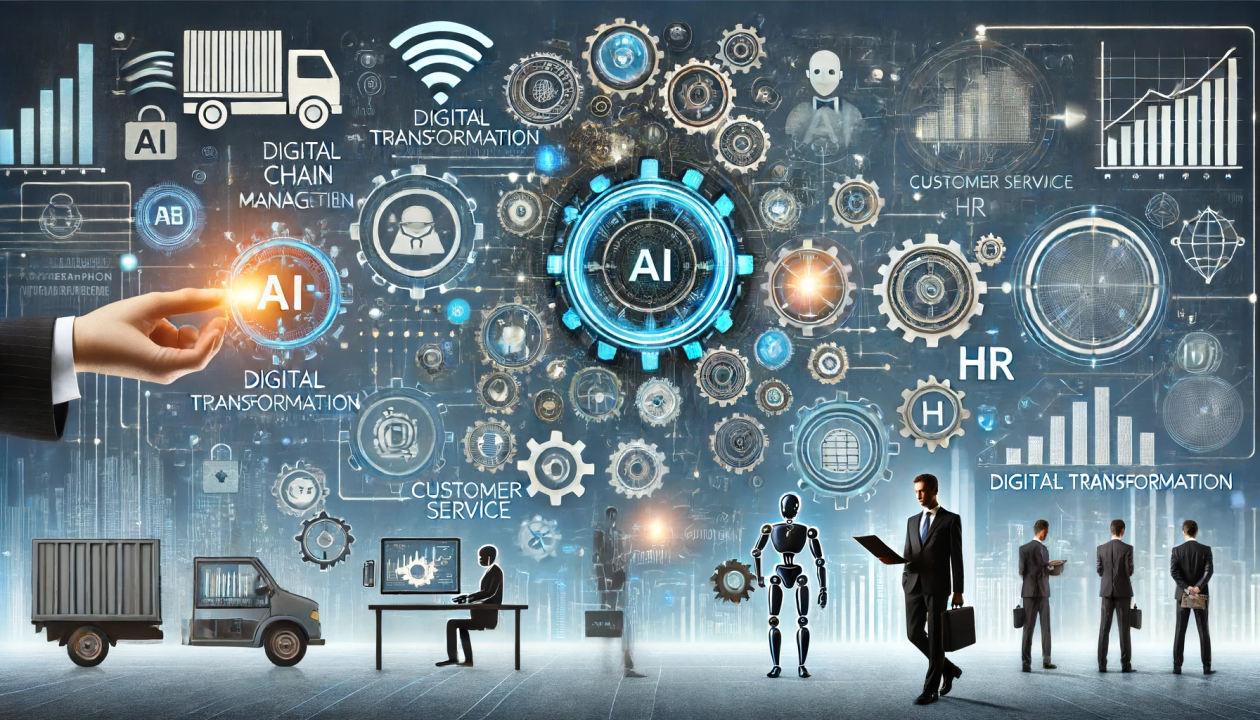
Artificial intelligence is transforming nearly every industry, and IT operations is no exception. Organizations that once relied on manual processes and reactive troubleshooting are now leveraging AI-driven tools to streamline workflows, cut downtime, and boost overall system performance. As modern IT environments grow more complex, the demand for intelligent automation grows right along with them. AI is no longer something to plan for down the road — it’s an active force reshaping how IT teams operate today.
Intelligent Automation and Workflow Optimization
One of the most significant contributions AI brings to IT operations is its ability to automate repetitive, time-consuming tasks that used to eat up entire workdays. Routine processes like patch management, system monitoring, and ticket routing can now be handled by AI-powered platforms with minimal human intervention. That frees up IT professionals to focus on higher-value strategic work rather than spending hours on manual upkeep. Intelligent automation doesn’t just increase efficiency — it also reduces the risk of human error, which remains one of the most common triggers for system outages and security vulnerabilities.
Predictive Analytics and Proactive Problem Resolution
Traditional IT operations have long been reactive — teams respond to problems only after those problems have already disrupted services. AI fundamentally changes this dynamic by enabling predictive analytics that can identify potential failures before they ever surface. By analyzing historical data, performance trends, and behavioral patterns, AI systems can flag anomalies that point to an impending issue. IT teams can then take corrective action proactively, minimizing downtime and preventing costly disruptions. This shift from reactive to predictive operations is arguably one of the most impactful changes AI has introduced to the field.
Enhanced Security Through AI-Driven Threat Detection
Cybersecurity is one of the most pressing concerns for any IT department, and AI is significantly strengthening defense capabilities across the board. AI-powered security tools can analyze enormous volumes of network traffic and user behavior in real time, catching threats that would be completely invisible to traditional rule-based systems. Machine learning models continuously evolve by learning from new attack patterns, making them more effective with every passing month. Organizations managing dynamic, high-risk environments rely on adaptive access control services that use AI to dynamically adjust user permissions based on real-time risk assessments and contextual data. This layered approach to security keeps access rights appropriate and responsive to emerging threats — ultimately shrinking the attack surface across the entire enterprise.
AIOps: Bridging the Gap Between Data and Decision-Making
AIOps — the application of artificial intelligence to IT operations — is quickly becoming a critical discipline for modern enterprises. By aggregating data from multiple IT tools and systems, AIOps platforms provide a unified view of the entire IT landscape that would be nearly impossible to achieve manually. This consolidated visibility allows teams to correlate events, cut through the noise, and focus on what actually matters. AI-driven insights support faster, more informed decision-making, helping IT leaders allocate resources more effectively and respond to incidents with far greater confidence. As IT environments grow increasingly complex, AIOps serves as the connective tissue holding disparate systems together in a coherent, manageable framework.
Improved User Experience and Service Delivery
AI isn’t only transforming backend IT infrastructure — it’s also elevating the day-to-day experience for end users in meaningful ways. AI-powered service desks and virtual assistants can handle common IT support requests instantly, resolving issues without the need to escalate to a human agent. Natural language processing allows these systems to understand user inquiries accurately, delivering relevant answers and walking users through troubleshooting steps in real time. Faster resolution times translate directly into improved employee productivity and satisfaction across the organization. As AI continues to mature, service delivery will become increasingly personalized, adapting automatically to individual user needs and preferences.
Conclusion
AI is fundamentally redefining what’s possible within IT operations, empowering teams to work smarter, respond faster, and defend more effectively against an ever-evolving threat landscape. From intelligent automation and predictive analytics to enhanced security and superior service delivery, the benefits of AI integration are both broad and deeply impactful. Organizations that embrace these technologies today are positioning themselves for greater resilience, agility, and competitive advantage well into the future. As AI capabilities continue to advance, the evolution of IT operations will only accelerate — making it essential for businesses to invest in the right tools, frameworks, and talent to stay ahead of the curve.