





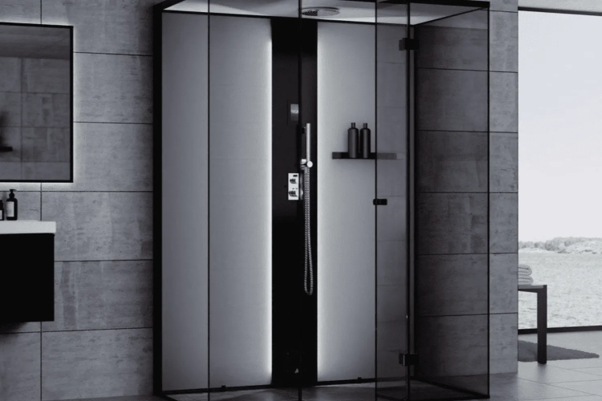
Modern homes are evolving to meet changing lifestyles and priorities. While home offices, entertainment rooms, and outdoor living areas have become increasingly popular, another trend is gaining attention among homeowners seeking greater comfort and balance in their daily lives. Dedicated wellness spaces are becoming a valued addition to residential properties as people look for ways to support relaxation, recovery, and overall wellbeing without leaving home.
One of the most notable developments in this trend is the growing interest in a home sauna and steam room. Once primarily associated with luxury hotels, spas, and fitness centres, wellness facilities are now being incorporated into private homes as part of a broader focus on lifestyle and personal wellbeing. This shift reflects changing attitudes towards self-care and the importance of creating environments that support physical and mental relaxation.
The Growing Focus on Wellbeing at Home
In recent years, homeowners have become more conscious of how their living environments influence daily wellbeing. Homes are no longer viewed solely as places to eat, sleep, and work. Increasingly, they are being designed to support a wider range of lifestyle needs.
As people spend more time at home, there is greater interest in creating spaces that encourage relaxation and help individuals disconnect from the pressures of everyday life. Wellness-focused features are becoming part of this conversation, alongside home gyms, meditation spaces, and outdoor retreats.
This broader approach reflects a growing desire to create homes that contribute positively to overall quality of life.
Why Wellness Spaces Are Becoming More Popular
Several factors influence the popularity of dedicated wellness areas. Convenience is one of the most significant. Accessing spa facilities or wellness centres often requires travel and scheduling, whereas home-based solutions can be enjoyed whenever needed.
Privacy is another consideration. Many homeowners appreciate having a personal space where they can relax without distractions or time restrictions.
In addition, wellness features are increasingly viewed as long-term lifestyle investments rather than occasional luxuries. As awareness of health and wellbeing continues to grow, more people are prioritising features that support everyday comfort and relaxation.
Creating Spaces Designed for Relaxation
Effective wellness spaces are often built around simplicity and comfort. The goal is not necessarily to create elaborate facilities but to design an environment that encourages relaxation and recovery.
Elements such as lighting, materials, temperature control, and overall layout all contribute to the atmosphere of a wellness area. Many homeowners choose to create dedicated spaces that feel separate from the demands of work and daily responsibilities.
This intentional separation can help establish routines that support relaxation and improve overall lifestyle balance.
The Appeal of Sauna and Steam Experiences
Interest in wellness design has contributed to increased demand for both sauna and steam facilities within residential properties.
A sauna and steam room combination allows homeowners to create a versatile wellness environment that offers different experiences depending on personal preferences. While each option provides a distinct atmosphere, together they offer flexibility for individuals seeking a range of relaxation and recovery experiences.
This adaptability makes combined wellness installations an attractive option for households with varying needs and preferences.
Wellness Spaces and Modern Home Design
Today’s residential design trends increasingly emphasise multifunctional spaces that support a variety of activities. Wellness areas fit naturally within this approach because they combine comfort, practicality, and lifestyle enhancement.
Architects, designers, and homeowners are exploring ways to integrate wellness features into both new-build properties and renovation projects. Rather than treating these facilities as standalone luxury additions, they are increasingly viewed as part of a holistic approach to modern living.
This trend reflects a broader shift towards homes that support physical comfort, mental wellbeing, and everyday convenience.
Looking Beyond Property Value
While premium home features may contribute to property appeal, many homeowners are motivated by personal lifestyle considerations rather than financial return alone.
The value of a dedicated wellness space often lies in how frequently it is used and the role it plays in daily routines. Creating opportunities for relaxation within the home can contribute to a greater sense of comfort and enjoyment of the living environment.
For many people, this personal value is just as important as any potential impact on the property itself.
A Long-Term Lifestyle Investment
Unlike trends that come and go, wellness-focused home improvements are often designed with long-term use in mind. As awareness of wellbeing continues to grow, homeowners are increasingly looking for features that support sustainable lifestyle habits.
Dedicated wellness spaces provide an opportunity to create routines that can be enjoyed regularly without the limitations associated with external facilities. This convenience helps make wellness activities more accessible and easier to incorporate into everyday life.
As a result, many homeowners view these spaces as practical lifestyle investments that continue to provide value over time.
Conclusion
The way people think about their homes is changing. Increasingly, residential properties are being designed to support not only comfort and functionality but also wellbeing and relaxation.
The growing popularity of the home sauna and steam room reflects this wider trend towards wellness-focused living. Combined with the flexibility offered by a sauna and steam room environment, dedicated wellness spaces provide homeowners with a convenient and personal way to support relaxation, recovery, and long-term lifestyle balance within their own homes.