





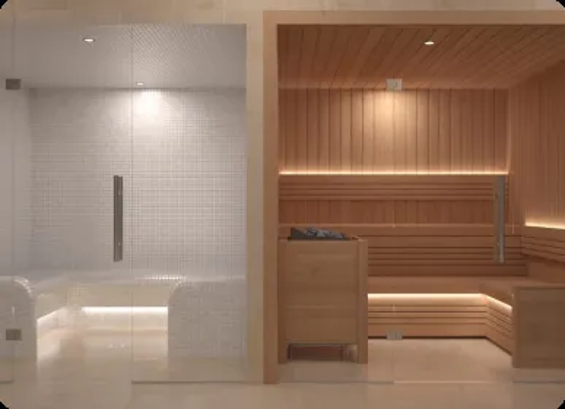
Wellness has become an increasingly important part of modern life. Alongside regular exercise, balanced nutrition, and quality sleep, many people are looking for ways to incorporate relaxation and recovery into their daily routines. As a result, wellness facilities that encourage individuals to slow down and take time for themselves continue to attract interest. Among these options, steam rooms remain a popular feature in spas, fitness centres, hotels, and private homes.
For those unfamiliar with them, a common question is: what is steam room? A steam room is an enclosed space that uses a steam generator to create warm, humid conditions. Unlike a sauna, which typically relies on dry heat, a steam room produces a moisture-rich environment designed to provide a comfortable and relaxing experience. While the concept has been around for many years, steam rooms continue to play an important role in contemporary wellness routines.
Why Relaxation Has Become More Important
Modern lifestyles often involve busy schedules, constant connectivity, and numerous personal and professional responsibilities. Finding opportunities to switch off can sometimes be challenging, which is why many people are actively seeking activities that encourage relaxation and balance.
Wellness routines are no longer viewed as occasional indulgences. Instead, they are increasingly considered part of a healthy and sustainable lifestyle. Whether through exercise, mindfulness practices, or dedicated relaxation spaces, individuals are placing greater importance on making time for personal well-being.
Steam rooms fit naturally into this trend because they provide an environment specifically designed to encourage people to pause, unwind, and step away from everyday distractions.
The Unique Experience of a Steam Room
One of the defining features of a steam room is its atmosphere. The warm, humid environment creates a noticeably different experience from many other wellness facilities.
For many users, the appeal lies in the opportunity to spend time in a calm setting where there are few interruptions. This dedicated space can help create a sense of separation from work, technology, and other daily demands.
Because steam rooms are often located within wellness facilities, they are frequently used alongside other activities such as exercise, stretching, spa treatments, or relaxation sessions. This allows individuals to create routines that suit their personal preferences and lifestyle goals.
Understanding Steam Room Benefits
The growing popularity of wellness spaces has led many people to explore various steam room benefits. While individual experiences may vary, many users appreciate steam rooms because they provide a comfortable environment that supports relaxation and recovery after busy days or physical activity.
Steam rooms are often incorporated into broader self-care routines that focus on maintaining balance and well-being. Rather than being viewed as a standalone solution, they are commonly used as part of a wider approach that may include exercise, healthy eating, and other positive lifestyle habits.
This flexibility makes steam rooms appealing to a wide range of individuals with different wellness objectives and personal routines.
Steam Rooms in Modern Homes
While steam rooms have traditionally been associated with commercial wellness facilities, they are increasingly appearing in residential properties.
Homeowners are becoming more interested in creating dedicated wellness spaces that offer convenience and privacy. The rise of home gyms, relaxation rooms, and wellness-focused design has encouraged many people to consider features that support everyday comfort and personal well-being.
A residential steam room allows individuals to enjoy wellness experiences without travelling to external facilities. This convenience has contributed to growing interest in home wellness installations as part of modern lifestyle design.
Creating Sustainable Wellness Habits
One of the key factors in any successful wellness routine is consistency. Long-term well-being is often supported by habits that can be maintained over time rather than occasional activities that are difficult to sustain.
Dedicated relaxation spaces can help encourage this consistency by making it easier to incorporate periods of rest and recovery into everyday life. When wellness activities are accessible and convenient, people are often more likely to include them as part of their regular routines.
Steam rooms can contribute to this approach by providing a simple, accessible environment where individuals can focus on relaxation and personal well-being.
Conclusion
As more people prioritise balance, relaxation, and long-term wellbeing, interest in wellness facilities continues to grow. Understanding what a steam room is and how it fits into a broader wellness routine can help individuals make informed decisions about which experiences to incorporate into their lifestyles.
The continued interest in steam room benefits reflects a wider movement towards sustainable self-care and wellness-focused living. Whether found in a spa, fitness centre, hotel, or private residence, steam rooms remain a valued feature for those seeking dedicated spaces to relax, recharge, and support their overall wellbeing.