





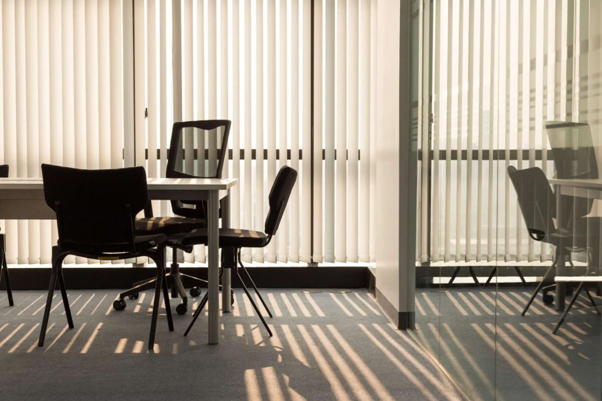
Workplace design has evolved significantly in recent years. Businesses are paying greater attention to how office environments influence employee comfort, productivity, and overall workplace experience. While factors such as furniture, technology, and layout often receive the most attention, window coverings also play an important role in creating functional and professional workspaces.
Effective light management, privacy, and visual comfort are all essential considerations in modern office design. This is why commercial blinds continue to be a popular choice for businesses seeking practical solutions that support both employees and visitors. Far from being a purely decorative feature, window coverings contribute to the day-to-day usability of a workspace and help organisations create environments that are comfortable, efficient, and visually appealing.
The Importance of Natural Light
Natural light is widely recognised as an important element of workplace design. Bright and welcoming environments can help create positive impressions while making office spaces feel more open and inviting.
However, managing natural light effectively can be challenging. Excessive sunlight may create glare on computer screens, cause discomfort for employees, or make certain areas of a workspace difficult to use throughout the day.
Window coverings provide businesses with greater control over light levels, allowing workspaces to benefit from natural daylight while reducing potential distractions and discomfort.
Creating Comfortable Working Environments
Employee comfort is an important consideration for any organisation. A comfortable workspace can support concentration, improve the overall workplace experience, and contribute to employee satisfaction.
Temperature, lighting, and privacy all influence how comfortable a workplace feels. Window coverings can assist in regulating light and helping to create a more balanced indoor environment.
While they are only one component of workplace design, they contribute to creating spaces that support employees throughout the working day.
Managing Privacy Without Sacrificing Openness
Many modern workplaces aim to balance openness and collaboration with the need for privacy.
Meeting rooms, client-facing spaces, and office areas may occasionally require additional privacy for presentations, discussions, or confidential conversations. At the same time, businesses often want to maintain a bright and professional atmosphere.
Appropriate window coverings allow organisations to manage privacy requirements while retaining flexibility and preserving the overall appearance of the workspace.
Why Commercial Blinds Remain a Practical Choice
Businesses often require solutions that combine durability, functionality, and ease of maintenance. This is one reason why commercial blinds continue to be widely used across offices, educational facilities, healthcare environments, and other professional settings.
Their practicality makes them suitable for areas where window coverings are used regularly and where consistent performance is important. Businesses also value the flexibility they offer when managing changing lighting conditions throughout the day.
By combining functionality with a professional appearance, commercial blinds remain a reliable option for a wide range of workplace environments.
Supporting Productivity Through Better Light Control
Workplace productivity is influenced by many factors, including the physical environment in which employees work.
Poorly managed lighting can create distractions and affect comfort, particularly in offices that rely heavily on computer screens and digital devices. Excessive glare may make tasks more difficult and reduce visual comfort during extended periods of work.
Effective light management helps create environments where employees can focus more comfortably on their responsibilities. This is why window coverings continue to form an important part of workplace planning and design strategies.
The Growing Demand for Flexible Workspaces
Modern businesses increasingly require spaces that can support different working styles and activities. Meeting rooms, collaborative areas, private offices, and open-plan environments often have different lighting and privacy requirements.
Adaptable workplace design allows organisations to respond to these varying needs more effectively. Window coverings support this flexibility by enabling businesses to adjust light levels and privacy settings according to the specific function of each space.
This adaptability has become increasingly valuable as workplace expectations continue to evolve.
The Role of Office Blinds in Professional Interiors
The appearance of a workplace can influence how employees, visitors, and clients perceive an organisation.
Professional interiors often benefit from clean, coordinated design elements that contribute to a polished and organised environment. Office blinds help support this objective by providing a practical window-covering solution that complements a wide range of workplace styles.
Beyond their visual contribution, office blinds also support functionality by helping businesses manage light, privacy, and comfort throughout the working day.
Conclusion
Modern workplace design involves much more than selecting furniture and arranging workstations. Creating environments that support employee comfort, productivity, and professionalism requires careful consideration of multiple factors, including effective light and privacy management.
The continued popularity of commercial blinds reflects their value as practical workplace solutions that support a wide range of business environments. Combined with the versatility of office blinds, they help organisations create functional, adaptable, and professional spaces that meet the needs of both employees and visitors.