



Walk into any successful retail store, and you’ll notice that the best-selling products are rarely hidden away. Instead, they are positioned where customers can easily see, access, and compare them. This is no accident. Retail merchandising is built around influencing shopper behaviour, and even small display decisions can have a significant impact on sales performance.
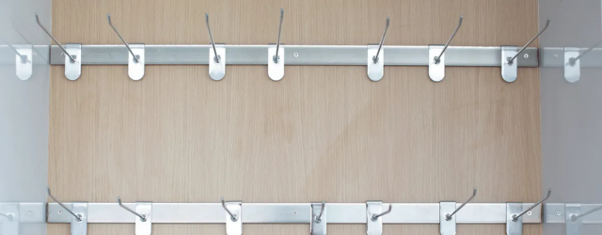
One of the most widely used merchandising tools remains euro hooks. Although simple in design, these display solutions continue to help retailers improve product visibility, organise merchandise effectively, and maximise available space. In an increasingly competitive retail environment, understanding the role of product presentation is essential for creating a positive customer experience.
The First Few Seconds Matter
Research into consumer behaviour consistently shows that shoppers make quick decisions when browsing retail environments. Before reading product information or comparing prices, customers often respond to what they can immediately see.
Products that are clearly displayed are more likely to attract attention than those placed in crowded or poorly organised areas. This is particularly important for smaller items that can easily become overlooked when displayed on traditional shelving.
Retailers, therefore, invest considerable effort into ensuring products are positioned in ways that encourage visibility and engagement from the moment customers enter a store.
Why Product Visibility Influences Purchasing Decisions
Visibility is one of the most important factors in successful merchandising. If customers cannot easily locate a product, they are less likely to purchase it.
Clear displays reduce the effort required to browse products and allow shoppers to compare options more efficiently. This can improve the overall shopping experience while increasing the likelihood of purchase.
In busy retail environments where customers are exposed to hundreds of products, effective visibility can help certain items stand out from competing alternatives.
The Hidden Cost of Poor Merchandising
Poor merchandising does more than create visual clutter. It can directly affect sales performance.
Products that are difficult to reach, hidden behind other items, or displayed inconsistently may receive less customer attention. Over time, this can lead to missed sales opportunities and slower stock movement.
Retailers who regularly review product placement often discover that small changes to display layouts can significantly improve customer engagement. Effective merchandising is therefore not simply about aesthetics; it is also a practical sales strategy.
Making Better Use of Retail Space
Space is one of the most valuable assets within any retail environment. Whether operating a small independent store or a larger retail outlet, businesses must make the most of available display areas.
Hook-based merchandising systems allow retailers to utilise vertical space efficiently. By presenting products at multiple levels, stores can display a wider range of merchandise without overcrowding shelves or reducing customer accessibility.
This approach is particularly useful for products such as accessories, tools, packaged goods, stationery, electronics, and household items that benefit from clear product presentation.
Small Display Decisions That Drive Results
Successful merchandising often comes down to attention to detail. Product positioning, spacing, accessibility, and organisation can all influence how customers interact with merchandise.
Many retailers use retail display hooks because they provide a practical way to maintain consistency across product categories. Organised displays make it easier for customers to browse, compare products, and locate what they need.
At the same time, well-structured displays can encourage impulse purchases by increasing exposure to complementary items that customers may not have originally intended to buy.
What High-Performing Stores Have in Common
Retailers that consistently deliver strong customer experiences often share several merchandising characteristics.
These include:
- Clear product organisation
- Effective use of available space
- Easy product accessibility
- Consistent visual presentation
- Flexible display solutions
Rather than relying solely on promotional campaigns, successful stores understand that everyday merchandising decisions contribute significantly to customer satisfaction and sales performance.
Creating an environment that is easy to navigate helps customers spend less time searching and more time engaging with products.
Adapting to Changing Retail Demands
Consumer expectations continue to evolve, and retailers must regularly adjust store layouts to accommodate new products, seasonal promotions, and changing buying habits.
Flexible merchandising systems help businesses respond quickly to these changes without requiring major alterations to store infrastructure.
This adaptability allows retailers to refresh displays, highlight new product ranges, and maintain engaging shopping environments throughout the year.
Conclusion
Effective merchandising is about more than displaying products. It involves understanding how customers shop, what attracts their attention, and how store layouts influence purchasing behaviour.
The continued popularity of euro hooks reflects their ability to support visibility, organisation, and efficient use of retail space. Combined with the versatility of retail display hooks, these simple merchandising tools continue to play an important role in helping retailers create more engaging shopping experiences and improve sales performance.