




Workplace safety continues to be a major priority across industries where employees are exposed to airborne hazards. From construction and manufacturing to pharmaceuticals and hazardous material handling, workers often face risks from dust, fumes, vapours, and other potentially harmful contaminants. As workplace safety standards continue to evolve, employers are increasingly seeking respiratory protection solutions that provide both effective protection and long-term comfort.
One solution gaining greater attention is the powered air purifying respirator. Designed to provide a continuous flow of filtered air to the wearer, these systems offer an advanced approach to respiratory protection compared to many traditional mask options. As businesses place greater emphasis on worker safety, productivity, and compliance, the use of air purifying respirator systems is becoming increasingly common in high-risk environments.
The Growing Importance of Respiratory Protection
Airborne contaminants remain one of the most significant workplace health concerns across many industries. Exposure to harmful particles, chemical vapours, and hazardous dust can lead to both short-term discomfort and long-term health issues.
Employers are responsible for identifying workplace hazards and implementing suitable control measures to protect employees. While engineering controls and ventilation systems play an important role, personal protective equipment often provides an additional layer of protection when exposure risks cannot be eliminated.
As awareness of occupational health risks continues to grow, businesses are investing in respiratory protection solutions that offer higher levels of safety and reliability.
Understanding Powered Air Purifying Respirators
Unlike conventional respirators that rely on the wearer drawing air through a filter, powered air purifying respirator use a battery-powered unit to pull air through filters before delivering it to the user.
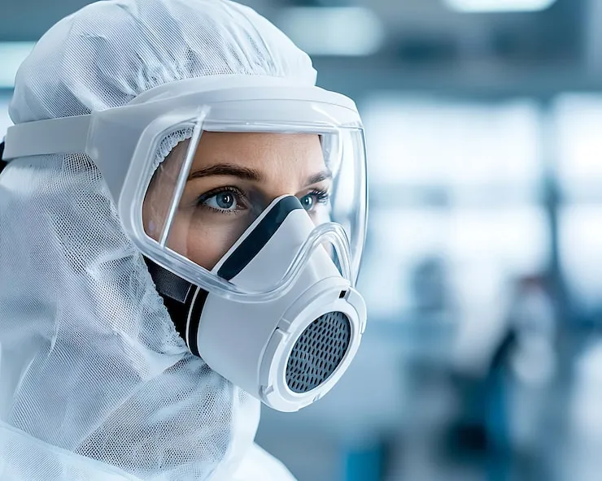
This continuous airflow helps reduce breathing resistance and can improve overall comfort during extended periods of use. Depending on the application, these systems may be used with helmets, hoods, visors, or facepieces to protect against a variety of airborne hazards.
The combination of filtered airflow and user comfort has made these systems increasingly popular in demanding working environments where respiratory protection is required for long periods.
Why High-Risk Industries Are Adopting Advanced Respiratory Protection
Many workplaces involve tasks that generate significant amounts of airborne contamination. Activities such as sanding, grinding, cutting, spraying, and handling hazardous substances can expose workers to potentially harmful particles and fumes.
In these situations, respiratory protection must provide more than basic filtration. Workers often require equipment that supports mobility, comfort, and consistent performance throughout the working day.
Powered respirator systems can help address these requirements by reducing breathing effort and providing a steady supply of filtered air. This can be particularly beneficial in environments where employees need to wear respiratory protection for several hours at a time.
Supporting Worker Comfort and Productivity
Comfort is an important factor in workplace safety. Even highly effective protective equipment may be less successful if workers find it uncomfortable to wear for extended periods.
One reason many employers are exploring powered respiratory systems is their potential to improve wearer comfort. The continuous airflow can help reduce heat build-up inside the facepiece while making breathing feel easier compared to some traditional respirators.
When workers are comfortable, they are often more likely to wear protective equipment correctly and consistently. This can contribute to both improved safety outcomes and workplace productivity.
Industries Benefiting From Powered Respirator Technology
A wide range of industries are adopting powered respiratory protection solutions as part of their health and safety strategies.
Common sectors include:
- Construction
- Manufacturing
- Pharmaceutical production
- Chemical processing
- Asbestos removal
- Metalworking
- Woodworking
- Waste management
These industries frequently involve exposure to airborne contaminants that require reliable respiratory protection measures.
As workplace regulations continue to emphasise risk management and employee wellbeing, advanced respiratory protection is becoming an increasingly important part of safety planning.
Meeting Evolving Workplace Safety Standards
Workplace health and safety requirements continue to evolve as understanding of occupational risks improves. Employers are expected to assess hazards carefully and provide suitable protective equipment where necessary.
Selecting appropriate respiratory protection involves considering factors such as exposure levels, working conditions, user comfort, and operational requirements. For many organisations, powered air systems offer a practical solution that aligns with both safety objectives and workforce needs.
By investing in suitable respiratory protection equipment, businesses can demonstrate their commitment to employee wellbeing while helping reduce potential health risks.
Conclusion
Protecting workers from airborne hazards remains a critical responsibility across many industries. As workplaces face increasingly complex safety challenges, respiratory protection solutions must balance effectiveness, comfort, and practicality.
Powered air purifying respirators provide an advanced approach to respiratory protection by delivering filtered airflow that supports both safety and wearer comfort. As organisations continue to strengthen their health and safety practices, these systems are likely to play an increasingly important role in protecting workers operating in high-risk environments.